Scott 3200A Tailwheel – Fully Rebuilt: Reliable Aircraft Ground Handling Performance
Scott 3200A Tailwheel – Fully Rebuilt: Reliable Aircraft Ground Handling Performance
Blog Article
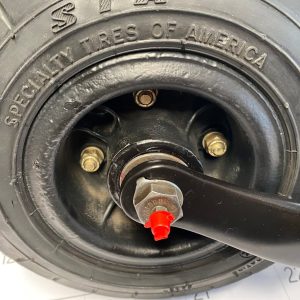
The Scott 3200A Tailwheel – Fully Rebuilt combines an established aviation design with inspected, serviced, adjusted, and replaced components intended to restore dependable mechanical operation. Clear rebuild records help aircraft owners and maintenance professionals evaluate the tailwheel before installation.
A correctly rebuilt Scott 3200A Tailwheel Assembly can support predictable steering when installed and adjusted properly on a compatible aircraft. The actual condition of a Scott Tailwheel Assembly should be determined through appropriate inspection rather than cosmetic appearance alone.
The Aircraft Tailwheel Assembly carries tail loads while allowing the aircraft to taxi, turn, park, take off, and land on suitable surfaces. The General Aviation Tailwheel should be selected according to aircraft weight, tail load, wheel size, spring arrangement, steering configuration, runway environment, and installation requirements.
Whether buyers need an Aircraft Tailwheel, Taildragger Tailwheel, or complete Aviation Tailwheel System, model identification and rebuild details should be verified.
Key Benefits of a Rebuilt Scott 3200A
Its established design makes it suitable for consideration in restoration projects, utility operations, bush flying, private ownership, and flight training. Poor ground handling can result from issues outside the tailwheel, including incorrect chain tension, fatigued springs, loose mounting hardware, bent tail springs, or misalignment.
Choosing a Scott 3200A Tailwheel Assembly
Actual operation depends on the complete aircraft installation rather than the tailwheel assembly alone. Reusable parts may remain acceptable when they pass inspection, while worn or damaged components should be replaced appropriately.
Scott Tailwheel Assembly Rebuild Process
Final adjustment and functional testing should confirm that the Scott Tailwheel Assembly operates consistently. Cosmetic refinishing should remain secondary to mechanical condition and structural integrity.
How an Aircraft Tailwheel Assembly Works
An Aircraft Tailwheel Assembly allows the rear of the airplane to roll and respond to steering input during ground movement. Incorrect linkage tension can cause delayed steering, harsh engagement, restricted movement, or unnecessary component loading.
General Aviation Tailwheel Maintenance
A General Aviation Tailwheel may operate from paved airports, grass runways, gravel strips, private fields, dirt airstrips, and backcountry locations. Vintage aircraft may require additional compatibility review because previous owners may have changed springs, chains, wheels, or mounting hardware.
Maintaining an Aircraft Tailwheel
An Aircraft Tailwheel supports the rear fuselage and helps the airplane move during taxiing, parking, turning, takeoff, and landing. Abnormal wear may indicate misalignment, bearing problems, repeated shimmy, poor adjustment, or use on abrasive surfaces.
Taildragger Tailwheel Performance
The Taildragger Tailwheel should be treated as an important ground-control component rather than a minor accessory. Repeated hard pivoting can increase wear on the tire, bearings, springs, steering arms, fork, and mounting hardware.
Aviation Tailwheel System Components
A complete inspection helps avoid unnecessary replacement and repeated troubleshooting. Steering chains or links should have suitable tension, symmetry, attachment security, and freedom of movement according to the aircraft configuration.
Benefits of a Tailwheel Steering Assembly
Wear in these components may create looseness, poor tracking, inconsistent engagement, or delayed control. The mechanism should not interfere with surrounding structure, chains, springs, fairings, or nearby aircraft components.
Choosing a Ground Handling Tailwheel
Poor steering response can increase more info tire wear, brake use, pilot workload, and difficulty in confined spaces. Towing should use appropriate equipment and procedures that avoid overloading steering arms, chains, springs, forks, or mounting structures.
Scott 3200 Tailwheel Applications
The Scott 3200 Series Tailwheel has become familiar within general aviation through its use on numerous conventional-gear aircraft and restoration projects. A visually similar tailwheel may contain important differences affecting installation or operation.
Choosing a Heavy-Duty Aircraft Tailwheel
Rugged operations may involve gravel, grass, dirt, uneven surfaces, frequent cycles, contamination, and repeated loading. Preventive maintenance supports reliable Heavy-Duty Aircraft Tailwheel operation.
Maintaining Tailwheel Components
Every component should match the intended Scott assembly and aircraft installation. Replacing only the most obvious damaged component may not correct the underlying issue.
Aircraft Steering Tailwheel Performance
A rebuilt steering mechanism should be evaluated for smooth, consistent, and repeatable operation. A complete review supports reliable Aircraft Steering Tailwheel performance.
Choosing a Replacement Aircraft Tailwheel
Aircraft records may reveal previous modifications or approved changes that influence replacement selection. The unit should not be installed solely because it appears clean or freshly refinished.
Maintaining General Aviation Gear Components
A complete landing gear assessment may reveal concerns beyond the tailwheel itself. Known limitations and damage should remain clearly disclosed.
Rebuilt Tailwheel Buying Checklist
A pre-purchase inspection should confirm the assembly identity, rebuild scope, structural condition, included components, tire status, steering arrangement, and available documentation.
- Confirm that the assembly is a Scott 3200A, review all visible markings, compare mounting details, and verify the wheel-and-fork configuration for the intended aircraft.
- Do not treat clean paint, fresh grease, or bright hardware as proof of a complete mechanical rebuild.
- Report missing parts, shipping damage, rough operation, identification discrepancies, or incomplete documentation according to the agreed terms.
Commissioning a Rebuilt Scott 3200A
Professional installation helps protect both the rebuilt Scott 3200A and the aircraft structure. Swivel engagement, release, centering, and directional action should operate consistently.
Pilots should report delayed steering, pulling, vibration, noise, binding, or irregular swivel behavior.
Scott Tailwheel Maintenance Guide
The rebuilt assembly should be inspected according to aircraft use, operating surface, maintenance requirements, and observed condition. Recurring shimmy or unusual tire wear should be diagnosed rather than addressed through repeated adjustment without identifying the cause.
Responsible care supports dependable Scott Tailwheel Assembly performance.
Buying a Fully Rebuilt Scott Tailwheel
The Scott 3200A Tailwheel – Fully Rebuilt may suit aircraft owners, bush operators, restoration facilities, flight schools, maintenance organizations, and pilots seeking renewed ground-handling performance. The strongest purchase decision begins with confirming model identity, rebuild scope, replaced components, retained parts, structural condition, tire status, steering arrangement, included hardware, and aircraft compatibility.
Whether buyers need an Aircraft Tailwheel, Taildragger Tailwheel, Aviation Tailwheel System, or Tailwheel Steering Assembly, qualified inspection remains essential. With responsible operation, protected shipping, timely maintenance, and organized documentation, the rebuilt tailwheel can remain a valuable aviation component.
Report this page